
Still waiting for your baselines to kick in?
Weeks of setup before your first reliable alert, months of data collection before thresholds mean anything, then realizing that the capabilities your team actually needs are locked behind a higher plan.
Checkmk Cloud applies meaningful, pre-configured thresholds the moment you deploy, with every feature included at a single price.




Try Checkmk Demo before connecting any hosts
Ready to monitor your own systems?
Get Unlimited 30-Day Trial| Checkmk Cloud | LogicMonitor |
|---|---|
| Pricing model | |
| One transparently priced tier | Multi-dimensional - 3 tiers |
| All features | |
| Included from day 1 | Tier-dependent |
| Time-to-production | |
| Fast onboarding | Upfront planning needed |
| Time to first alert | |
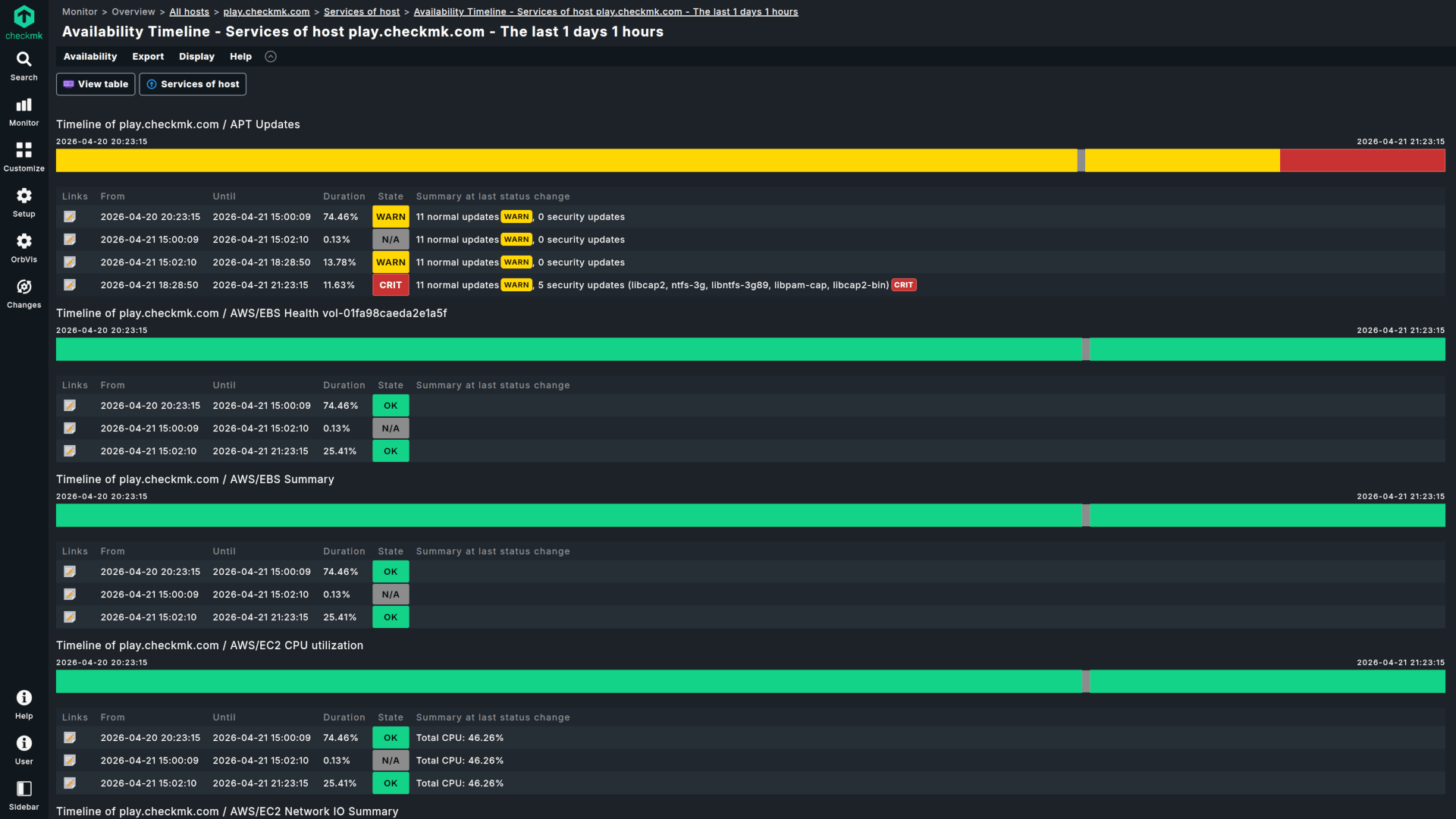
| From day 1 with pre-set thresholds | Requires baseline period |

Fast time-to-value
Instantly identifies the hybrid environment - whether on-prem or cloud - and applies host-specific monitoring defaults with minimal manual setup.
Manual platform rollout
Requires upfront collector provisioning, capacity planning, and credential organization for a managed deployment.
Rule-based & easy to scale
Scales across thousands of hosts via a central rule-based setup that propagates changes instantly.
Rigid governance
Designed for large-scale environments that prioritize detailed administrative control and inventory definitions.
Actionable alerts + fast root cause analysis
Uses native OTel and RED signals for service health. Features a no-code query builder to avoid the cost/complexity of full APM.
Baselining with learning latency
Uses ML for dynamic thresholds, which requires an initial data collection period to establish reliable baselines.
Feature-rich & single tier
Every capability, from automation to AI root cause analysis, is included in a single, transparent tier.
Tier-based feature access
Advanced capabilities like "Service Intelligence" and advanced AIOps (ML-driven anomaly detection) are available only in higher-tier plans ("Advanced", and "Signature").
Predictable pricing
Costs scale linearly based on monitored services, offering clarity regardless of resource type. No tier jumps or complexity.
Complex pricing model
Uses a multi-dimensional model where different resource types and feature add-ons consume varying unit amounts.
Integrated host & agent sync
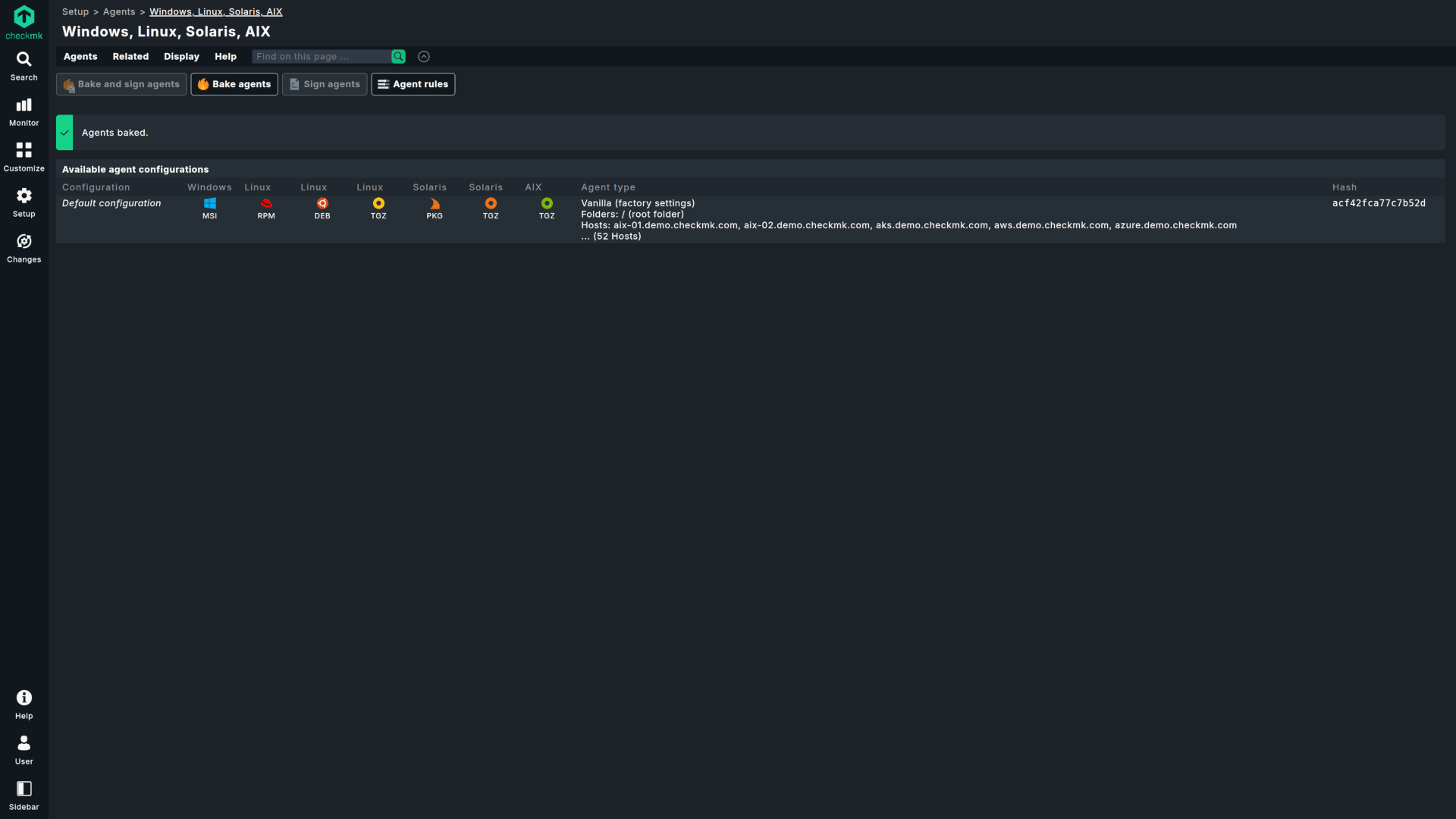
Automated fleet-wide updates via the Agent Bakery and Dynamic Host Management.
Manual on-prem & collector maintenance
Requires manual on-premises retirement and independent upkeep of collectors. Necessitates manual OS patching and Java tuning.










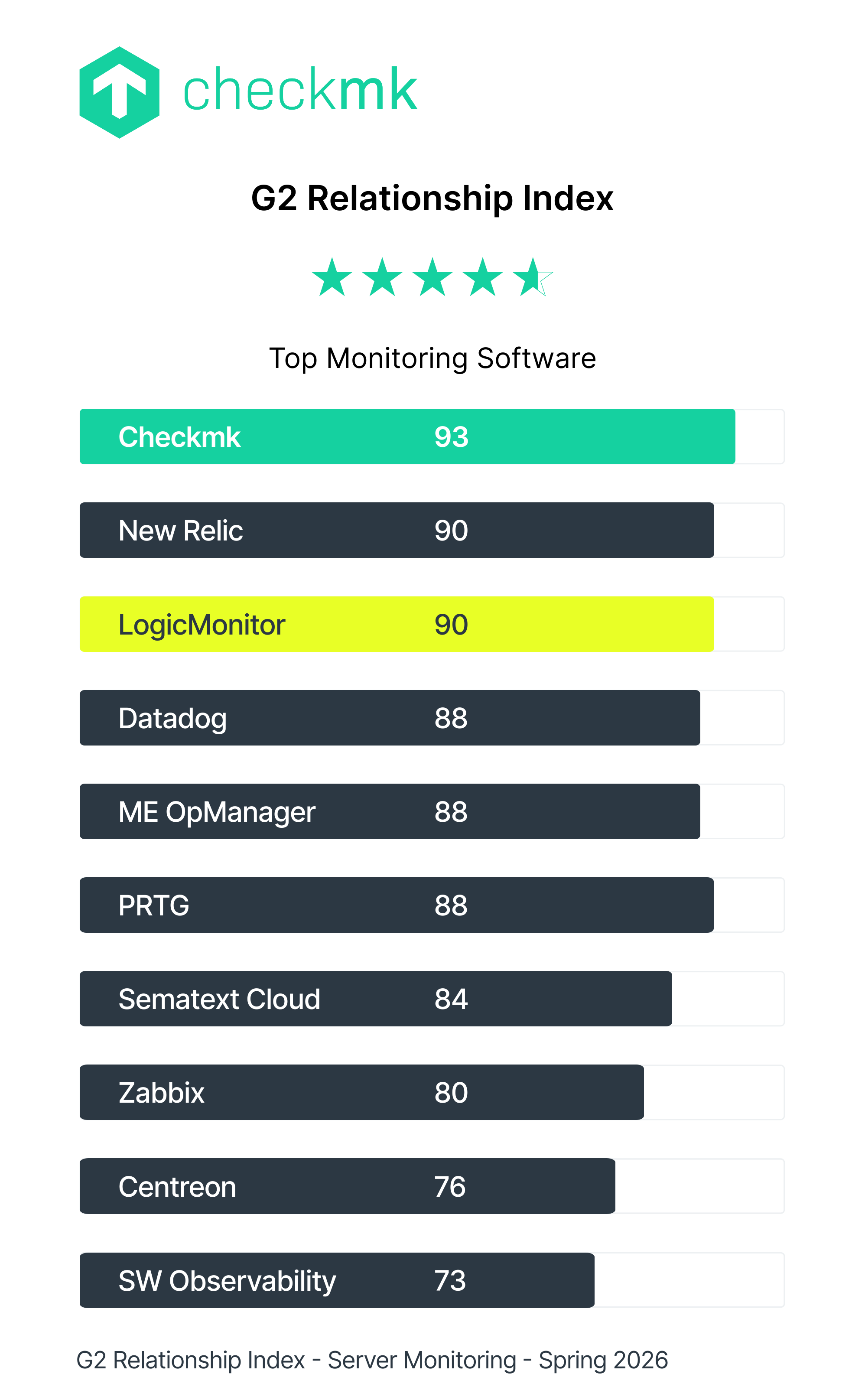





Checkmk is initially easy to set up and later powerful to use. There are tons of possibilities to enhance and optimize the tool to fit your needs.
Rasmus P., Senior System Analyst

A leading IT infrastructure monitoring system which helps your business easily manage servers, keep track of your applications and monitor cloud infrastructure.
Sarah J., Management Consultant
Checkmk has very well-organized and easy-to-follow dashboards that display real-time data from various IT infrastructure. It’s transformed our business operations.
Jade J., Operational Risk Consultant
A low-cost and extremely well-performing monitoring tool with good support from both the developers and the product community as well.
Peter L., Principal System Engineer
I sleep well knowing that if there is an issue, Checkmk will find it before users start complaining. Compared to other IT monitoring solutions, Checkmk is the most efficient platform.
George P., Lead Technical Support Engineer
A single-tier model providing a predictable cost structure with full feature access and no tier-based restrictions.
Easy Forecasting. No tiered features.
Multi-dimensional billing. Tiered feature access.

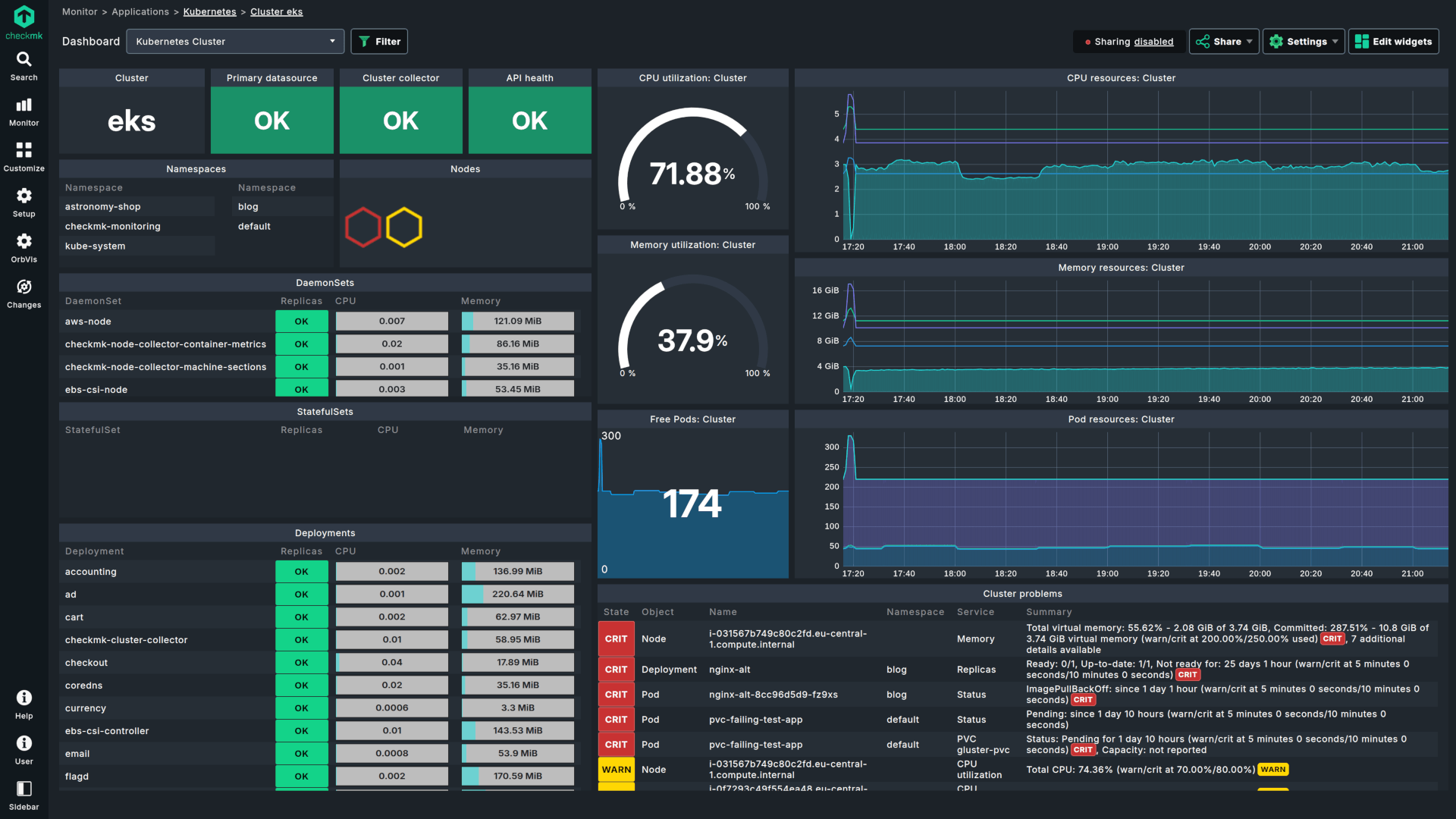
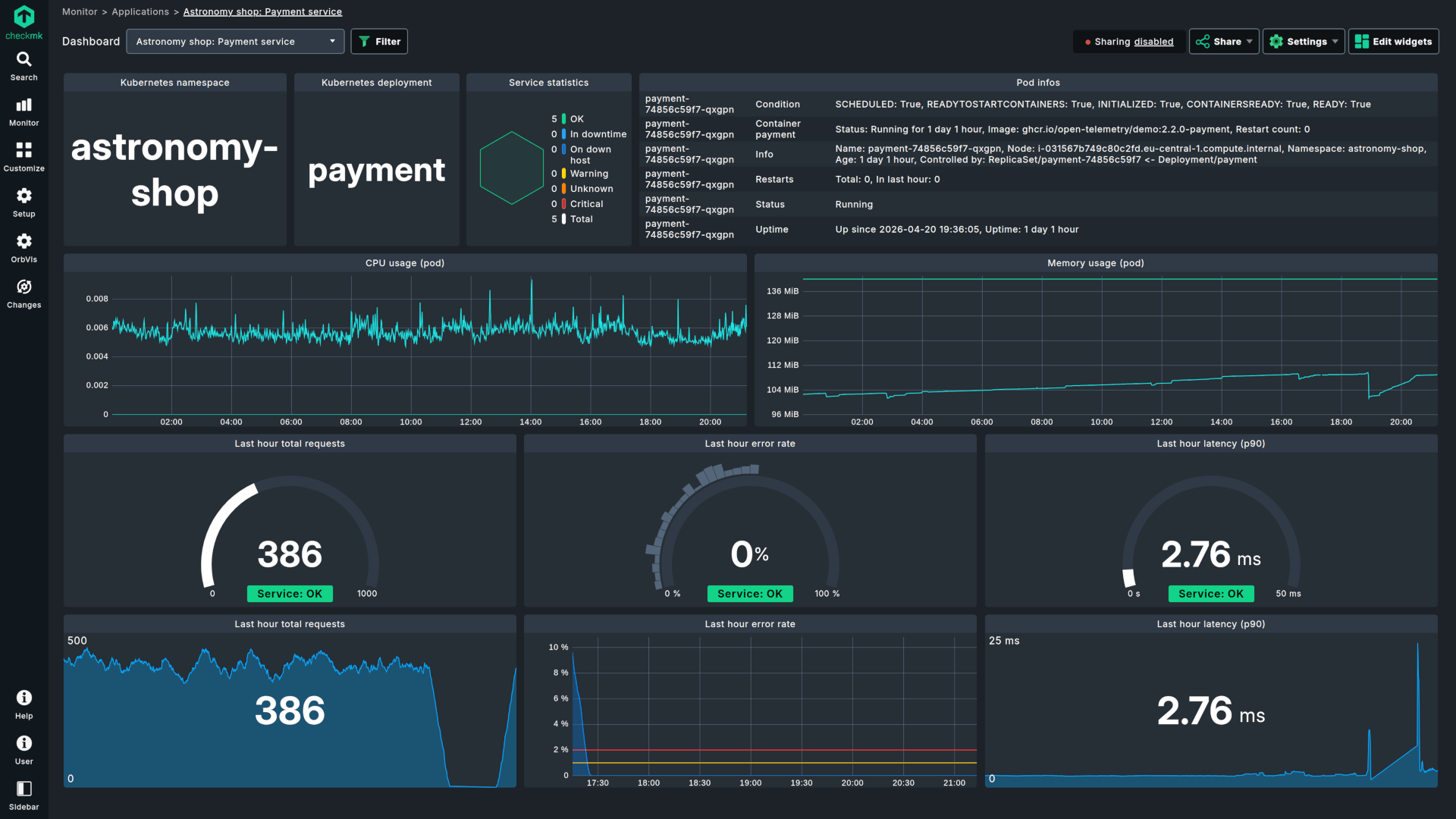
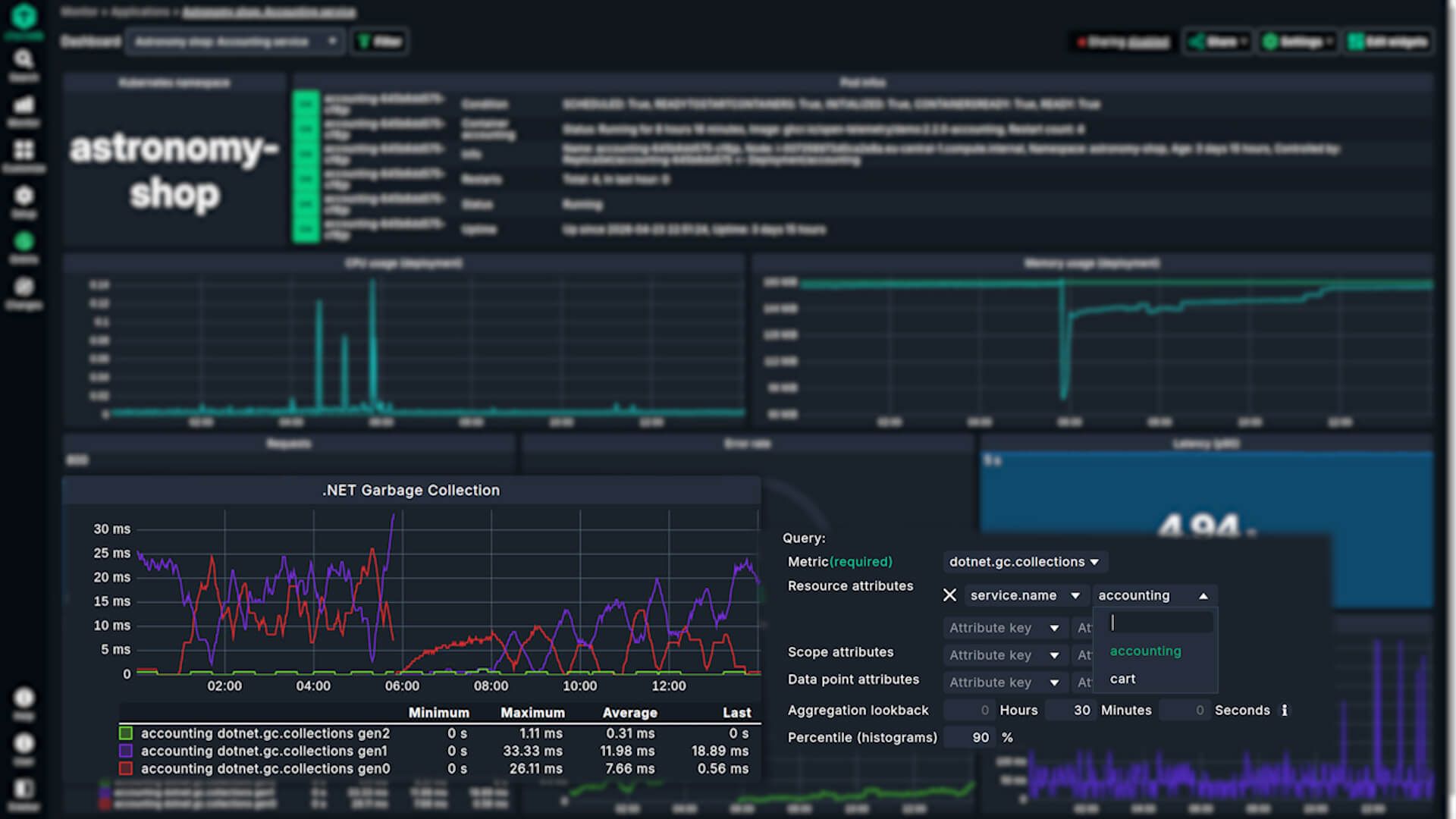
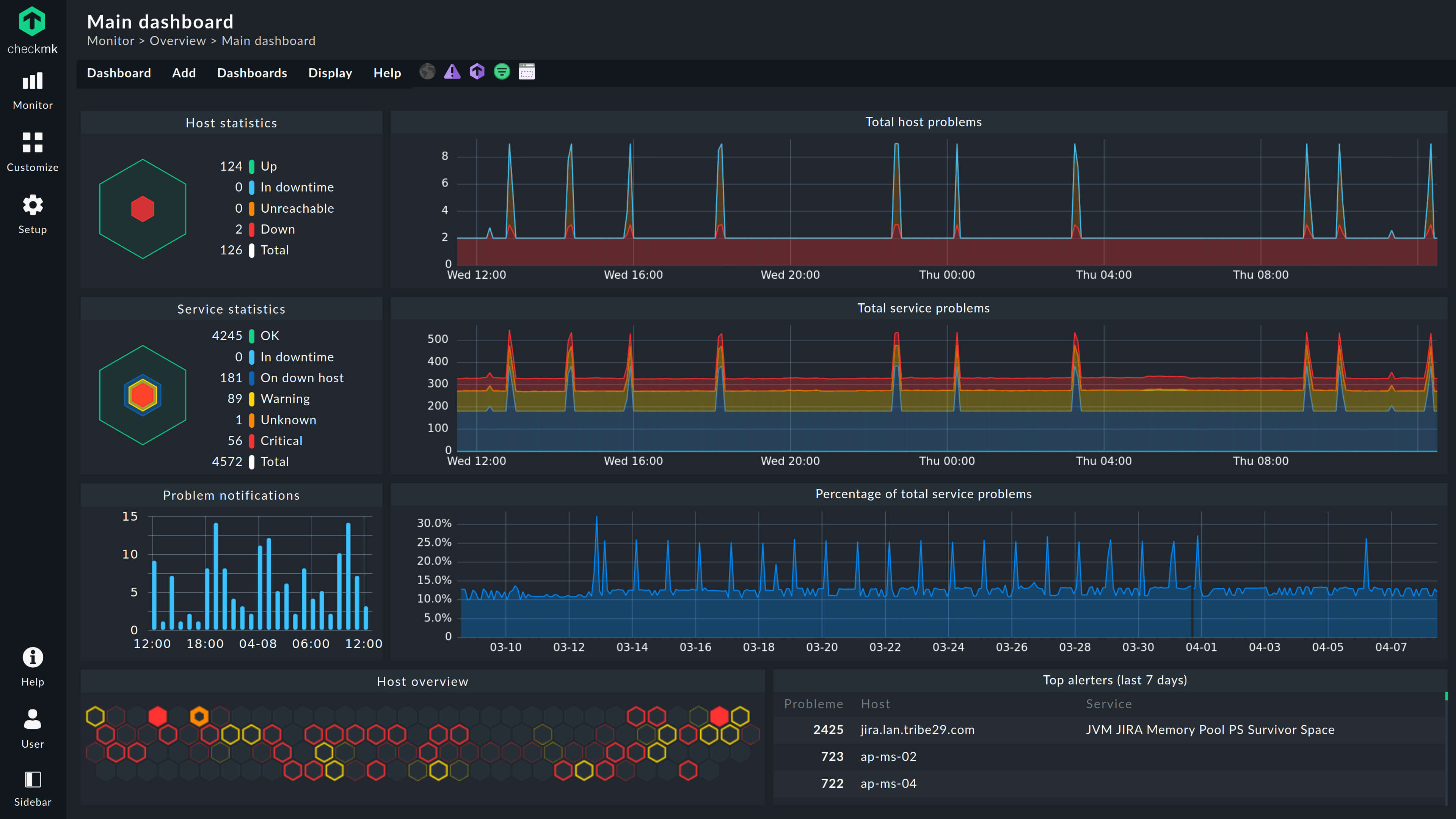
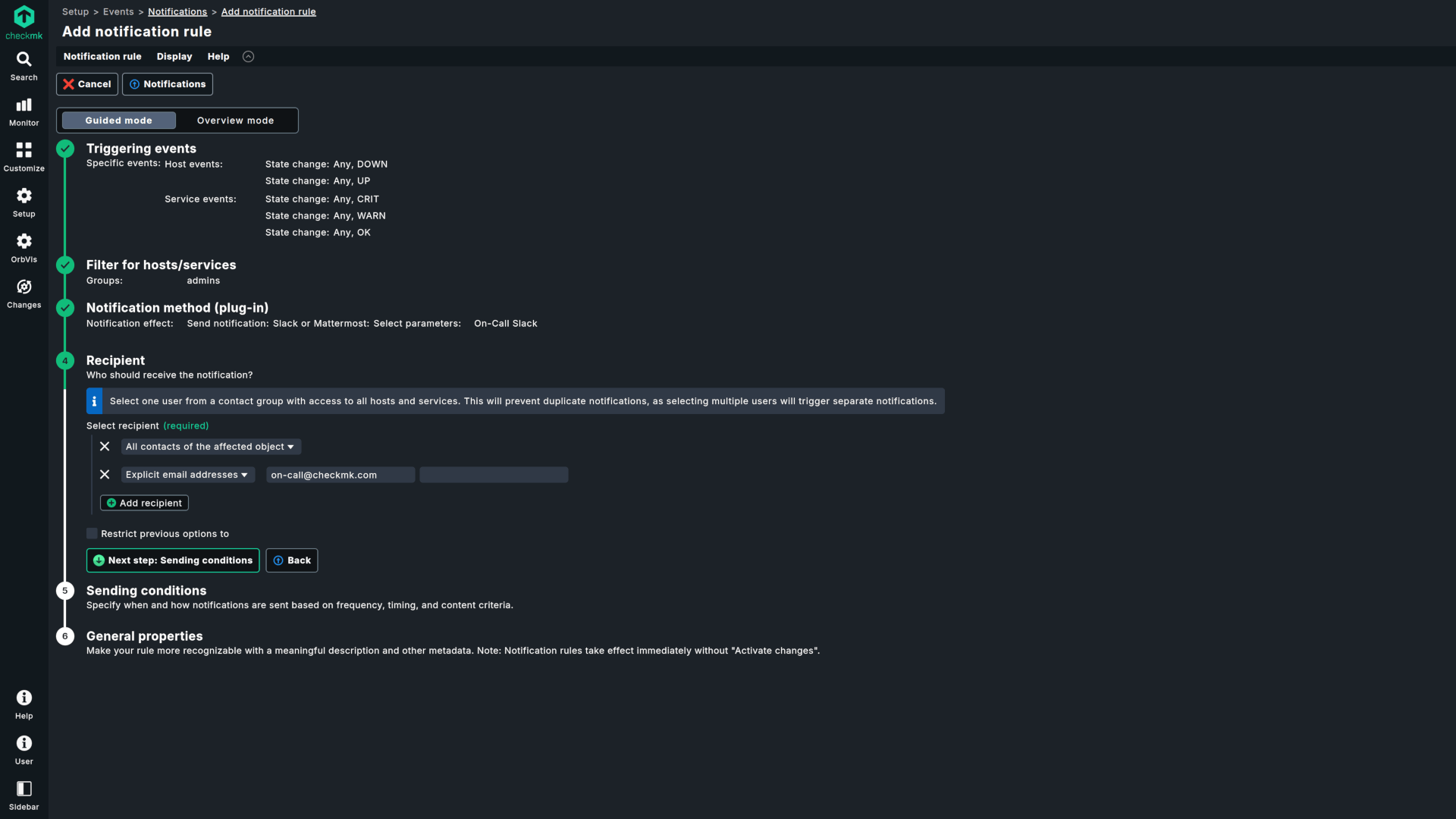
Checkmk Cloud is designed for teams that run hybrid IT and offers:

Auto-discovery and 2,000+ built-in integrations to move from "unmonitored" to "actionable" in minutes.
A single transparent tier with all features included.
Reliable monitoring starts immediately with pre-configured thresholds, while built-in AI-assisted root cause analysis enables faster issue resolution.
A rule-based system with folders and tags, automated agent updates, centrally managed data collector for remote sites, and dozens of other automation capabilities.
Granular data from the OS kernel to the cloud API, built specifically for the reliability of physical and hybrid estates.

Checkmk Cloud vs other competitors
Evaluating other alternatives? See how Checkmk Cloud compares across the monitoring landscape.
Checkmk Cloud vs Datadog
Compare an integrated platform approach with specialized cloud-native features and usage-based models.
Checkmk Cloud vs SolarWinds Observability
Compare a unified, automation-led approach with modular observability structures and their distinct pricing models.
The full feature set is ready when you are.
Or talk to our team to see if Checkmk Cloud fits your environment.
Note: competitive comparisons presented on this page are based on publicly available information, user reviews, and product documentation as of May 2026.